Discover the Vendée
A land of bocage, marsh and ocean
Between the Loire and Poitou, the Vendée brings together very different landscapes and a singular history. Here are the essentials for reading its stones and its roads.
Photo : Gilbert Bochenek, CC BY 1.0, via Wikimedia Commons

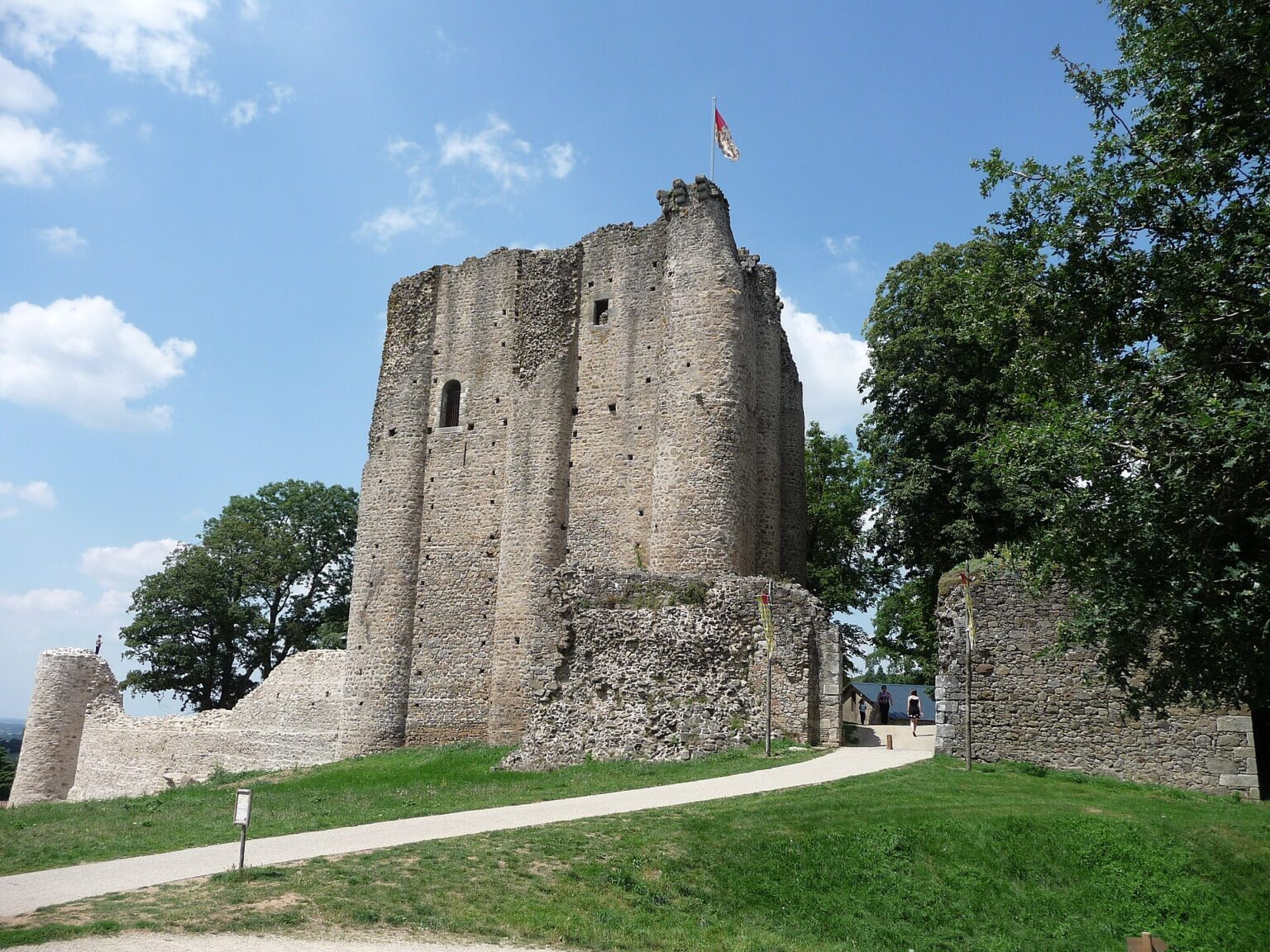

Upper Bocage
Hills, windmills and fortresses
In the northeast of the département, the Upper Bocage rises to the hills of Saint-Michel-Mont-Mercure and the Mont des Alouettes, whose windmills overlook the plain. This is the country of the great fortresses of Tiffauges and Pouzauges, of the Romanesque keep of Châteaumur and the discreet manors of Les Herbiers.
It is also the heart of the military Vendée of 1793, and the country of the Puy du Fou, whose Renaissance château has served as the backdrop of the Cinéscénie since 1977.
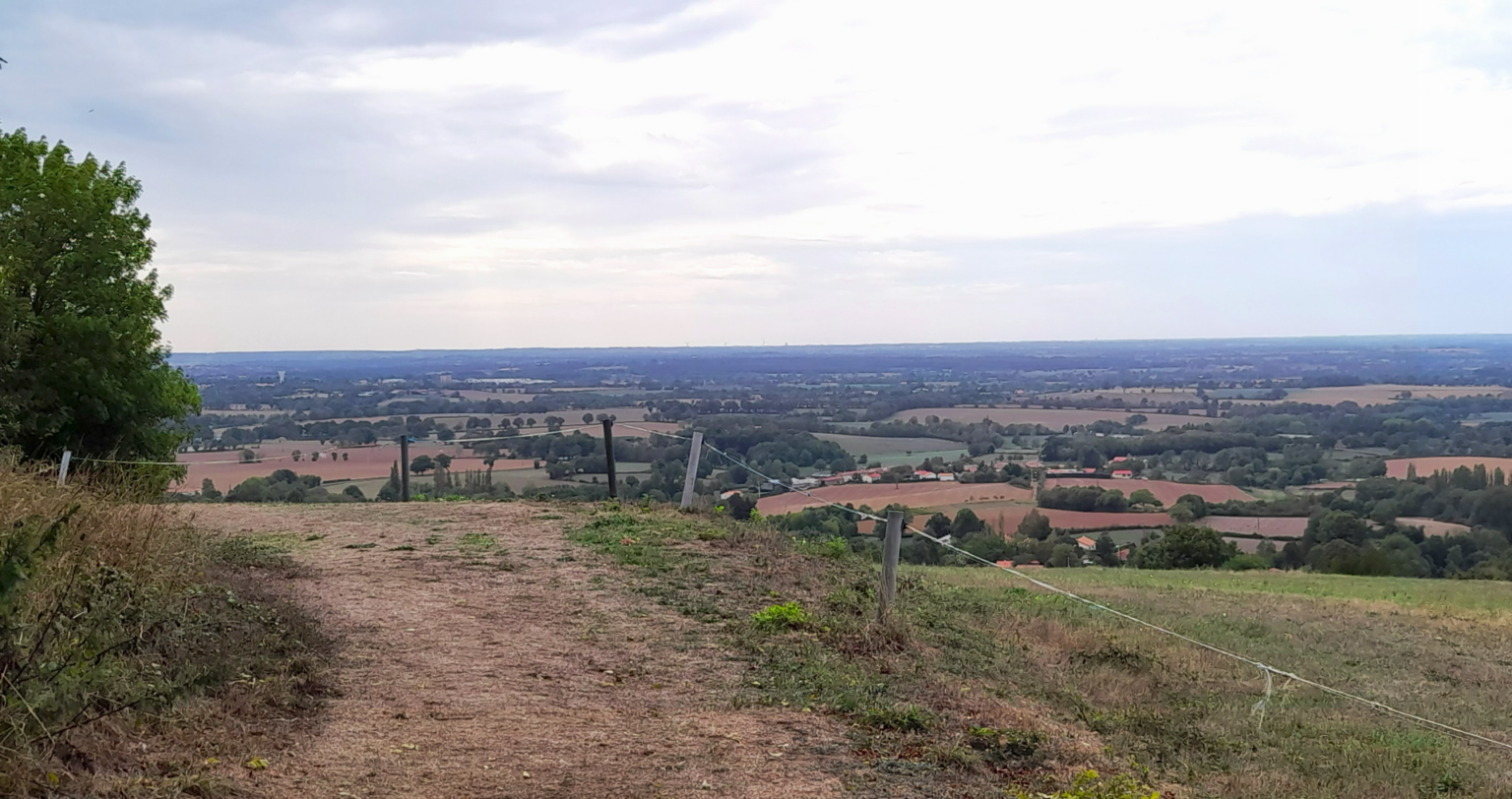

Central Bocage
Sunken lanes and the logis of Lower Poitou
Hedgerows, meadows and sunken lanes shape the bocage, which covers the center of the département around La Roche-sur-Yon, Les Essarts and Chantonnay. Lordships here often took the form of the logis, a low, long house with a tiled roof, of which La Chabotterie is a perfect example.
The strongholds of Sigournais and Bazoges-en-Pareds, the old castle of Les Essarts and l’Aubraye, the childhood home of Georges Clemenceau, mark out this peaceful country.
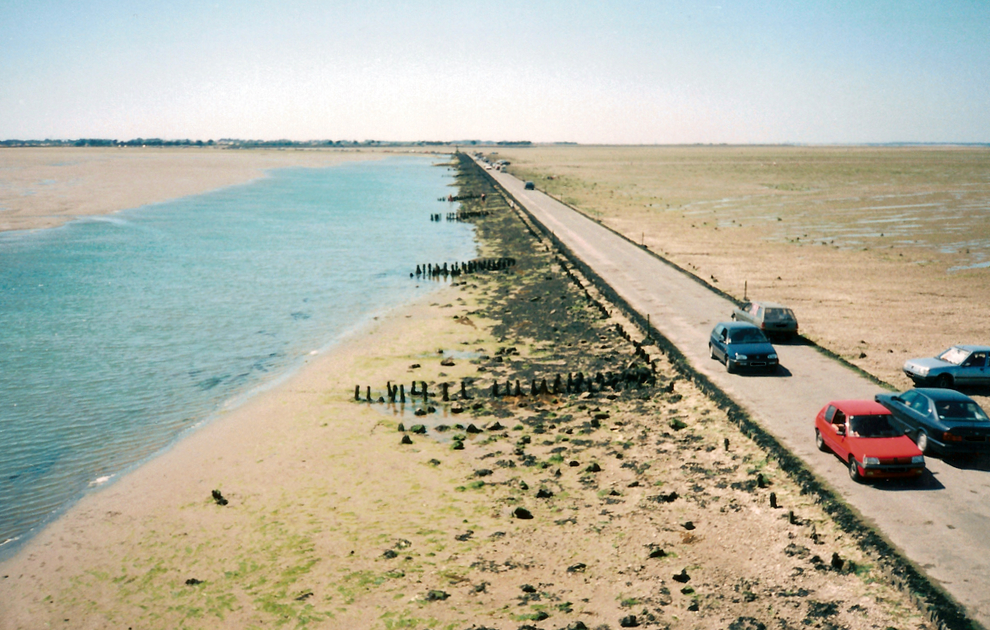

Coast & islands
The ocean, salt marshes and islands
About 155 miles of coastline, from the bay of Bourgneuf to the Lay estuary, alternate dunes, pine forests, harbors and salt marshes. The Passage du Gois links Noirmoutier to the mainland at low tide; the Île d’Yeu is reached by boat.
Lords built here facing the sea and the marshes: the castle of Noirmoutier, the fortress of Talmont, Apremont on the Vie, and the great Guignardière at Avrillé.
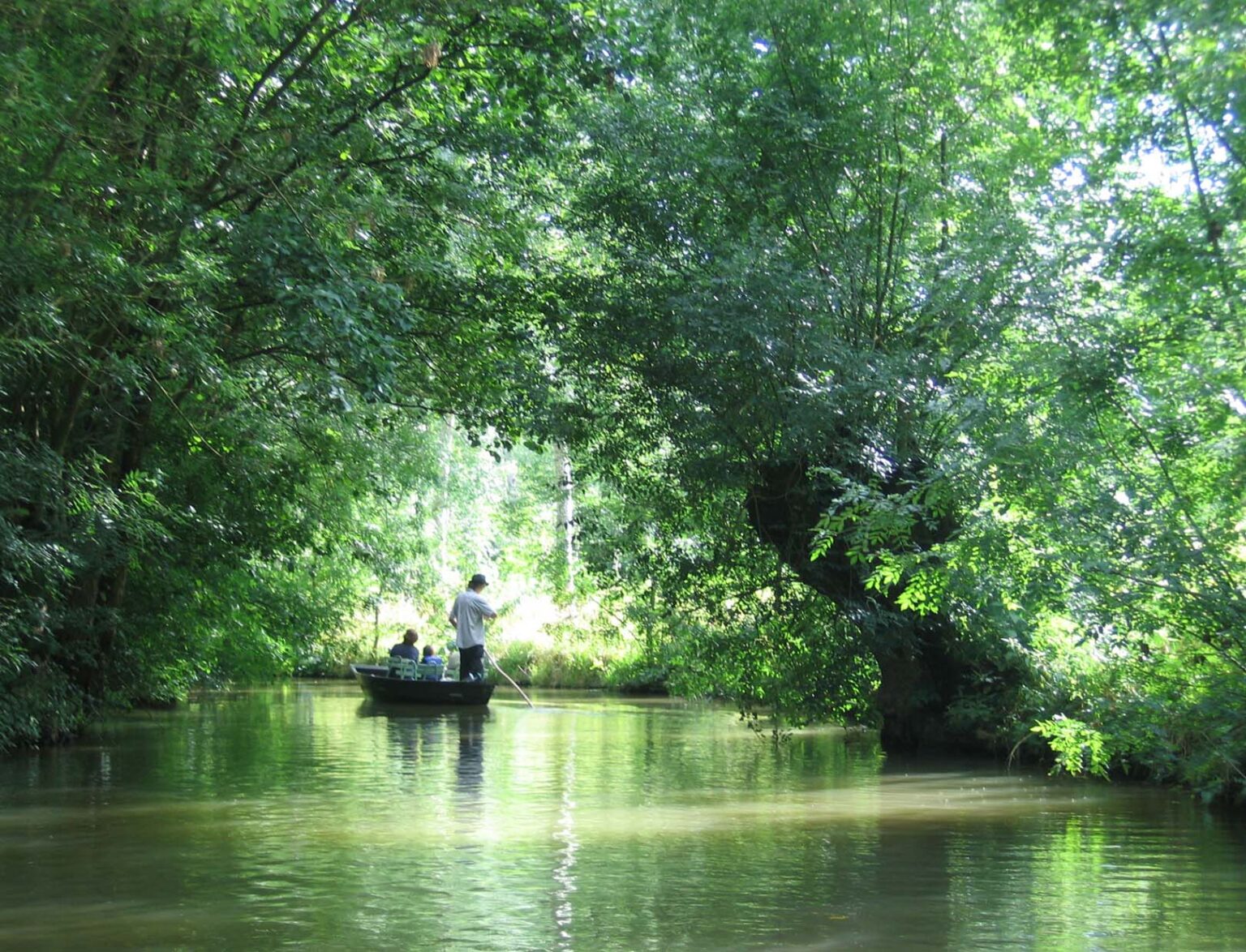
South Vendée & Marais poitevin
The Renaissance and the Green Venice
In the south, the plain of Luçon and Fontenay-le-Comte opens onto the Marais poitevin, with its canals lined with pollarded ash trees and its flat-bottomed boats. Fontenay, the old capital of Lower Poitou, was a home of humanists in the 16th century, and the Château de Terre-Neuve keeps its memory.
Vouvant and its Mélusine Tower, the forest of Mervent and the abbeys of Maillezais and Nieul-sur-l’Autise complete a territory where history appears at every turn.
Historical landmarks
A powerful history
Middle Ages
The viscounts of Thouars, the Lusignan and their vassals covered Lower Poitou with fortresses. The square keeps "in the style of Niort" at Pouzauges, Tiffauges and Châteaumur, and the round tower of Vouvant, date from this time. The Hundred Years’ War left its scars here.
Renaissance
In the 16th century, the region opened to new forms: Apremont for Admiral Chabot de Brion, la Guignardière, Terre-Neuve. The Wars of Religion still gave many houses their defensive look.
1793-1796
The rising of the Vendée against the Revolution, and then the repression of the "infernal columns" in 1794, marked the country deeply. The Logis de la Chabotterie, where Charette was captured in 1796, and the Historial de la Vendée at Les Lucs-sur-Boulogne help us understand this period.
From the 19th century to today
Many families rebuilt or built houses in the 19th century. Today, private owners, towns and the département share the care of this heritage, which the European Heritage Days open to the public every September.

Religious heritage
Abbeys and sanctuaries
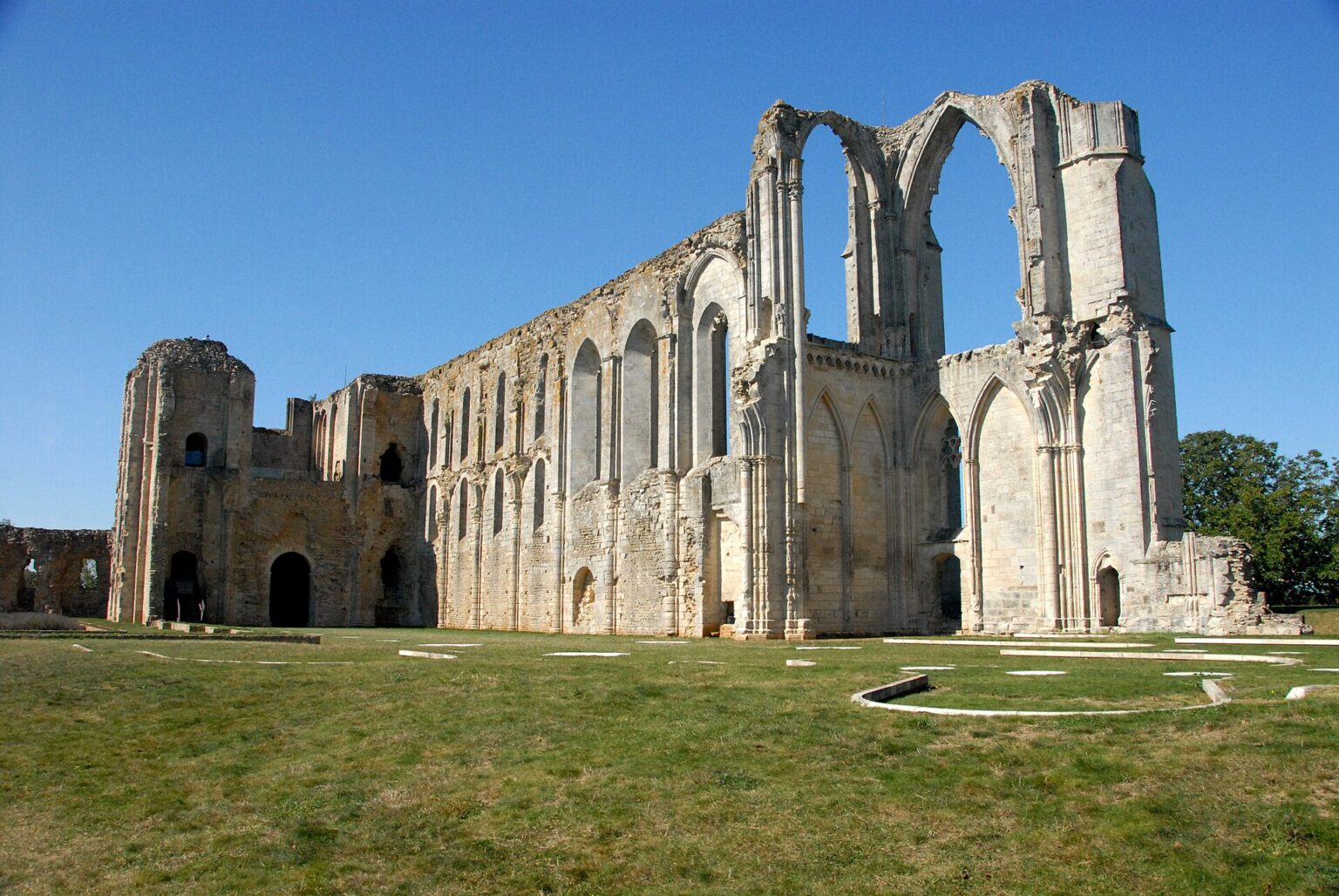
The abbey of Saint-Pierre at Maillezais, once the seat of a bishopric where Rabelais stayed, raises its ruins above the Marais poitevin. The abbey of Nieul-sur-l’Autise keeps a complete Romanesque cloister, rare in western France. In the Upper Bocage, the abbey of la Grainetière, at Les Herbiers, preserves its Romanesque austerity.
These places pair naturally with a visit to the nearby châteaux, and several of them appear in our itineraries.
Getting here
La Roche-sur-Yon is served by TGV high-speed trains from Paris, and Nantes Atlantique airport lies just beyond the northern edge of the département. A car remains the best way to reach the houses of the bocage.
When to come
Most sites open to visitors welcome the public from April to September, sometimes also during school holidays. The European Heritage Days, in September, also open houses that are usually closed.
With respect
Many houses in the directory are lived-in homes. We admire them from the public road, without passing the gates or photographing the residents, and we thank the owners who open their doors.